controlled clearing at the Everglades edge
Free quotes for careful lot clearing, forestry mulching, invasive removal, grading, and canal-edge cleanup across northwest Broward.
Fifteen focused scopes—from backyard brush and invasive plants to commercial sites, rights-of-way, and canal banks.

Selective mulching turns dense brush into a manageable surface while protecting marked trees, drainage features, and the parts of the parcel meant to stay.
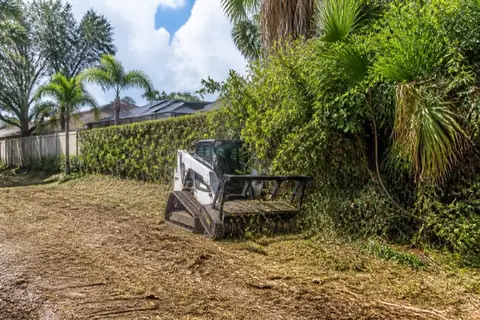
Recover overgrown yards and lot edges with a marked, access-aware scope that keeps wanted trees, fences, utilities, and drainage paths intact.
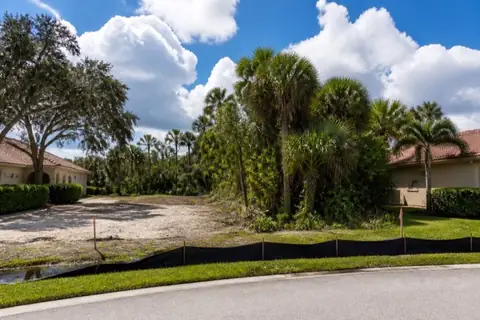
Prepare an infill or vacant lot through surveyed limits, tree protection, permit routing, drainage controls, debris planning, and an agreed final surface.
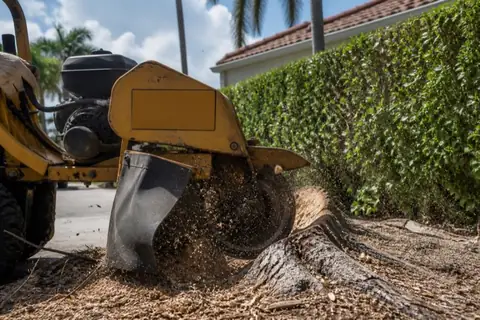
Turn a trip hazard or unusable planting spot into an agreed finish, with utility checks, protected roots, chip handling, and backfill defined first.
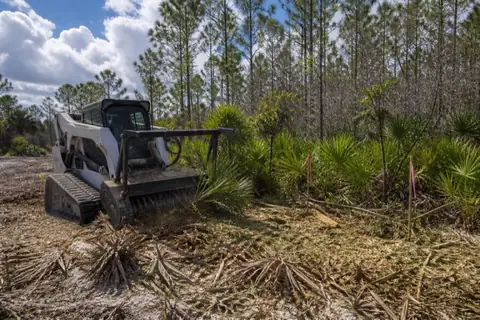
Remove saw palmetto selectively for an approved use while preserving native keep zones, checking wildlife indicators, and stabilizing the disturbed footprint.
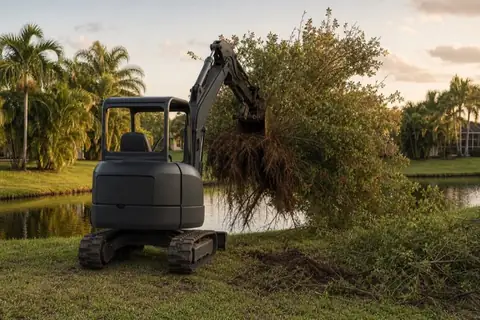
Remove dense Brazilian pepper with a regrowth-aware plan for access, roots, debris, sensitive people, nearby trees, and canal-side runoff protection.

Remove melaleuca through verified identification, controlled cutting and debris handling, permit checks, wet-ground planning, and realistic seedling follow-up.
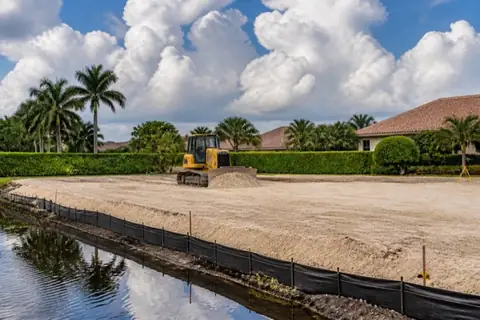
Shape an approved homesite or yard area to surveyed elevations while protecting neighboring grades, trees, swales, canals, and the stormwater path.
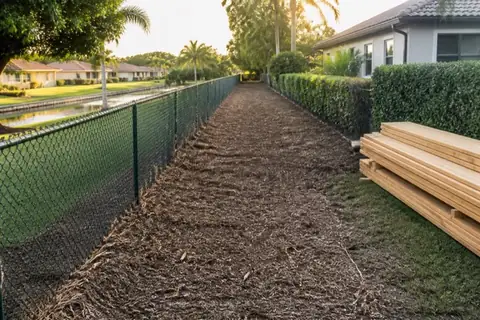
Overgrown fence corridors reopened around verified boundaries, buried utilities, irrigation, keep trees, canal setbacks, and the finish needed for repair or replacement.
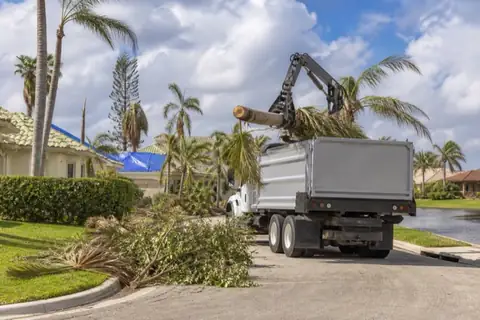
Storm-damaged vegetation triaged, documented, separated, and removed without folding structural demolition, utility hazards, or ordinary tree work into one vague cleanup scope.
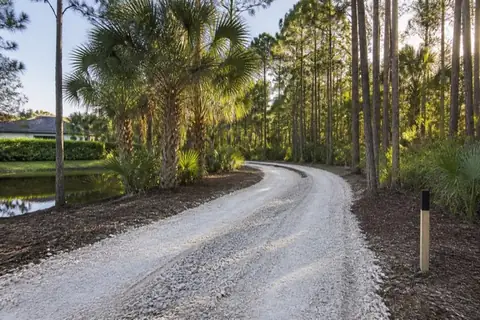
A verified corridor opened for temporary access or prepared for engineered road work, with turning, keep zones, wildlife indicators, drainage, and restoration defined first.
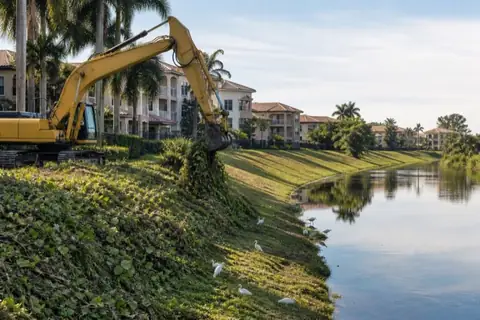
Canal-edge access reopened only after ownership, easements, bank limits, keep vegetation, debris capture, runoff, and post-work stabilization are agreed.
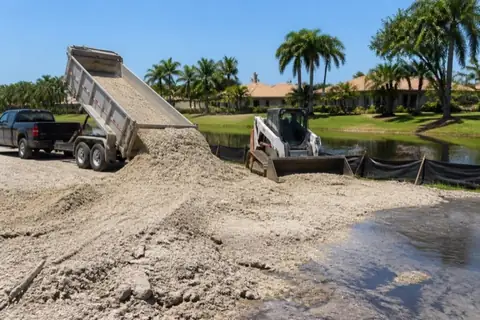
Documented material matched to its intended use, placed against an approved grade, and kept from turning one low area into a drainage problem elsewhere.
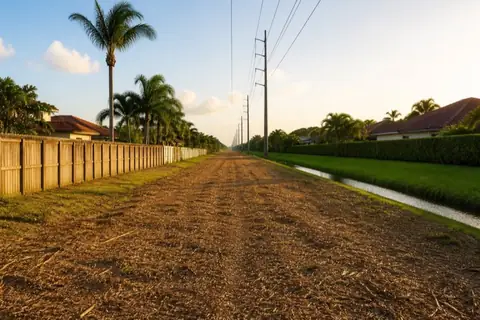
Public and private corridors cleared only after ownership, limits, utilities, traffic protection, drainage interfaces, disposal, and the accepting authority’s finish are identified.
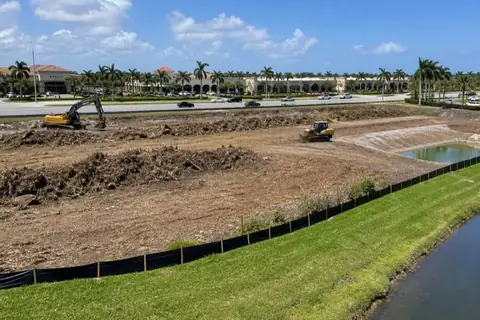
Approved limits converted into a sequenced clearing package with preservation barriers, drainage review, occupied-neighbor protection, debris records, erosion controls, and closeout evidence.
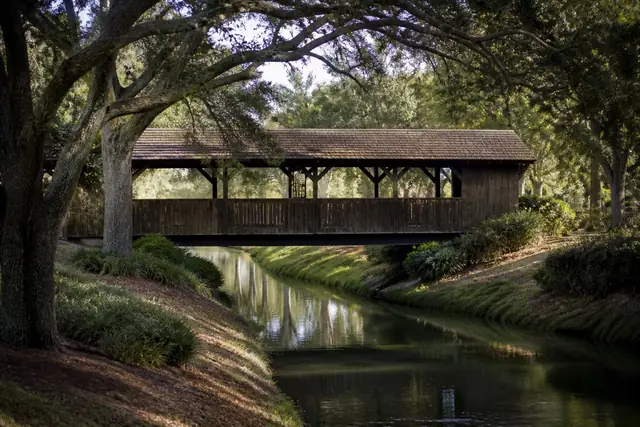
Coral Springs is stitched together by swales, inlets, lakes, and district canals. Good clearing preserves that system while opening access and reclaiming usable space.
Coral Springs Land Clearing connects northwest Broward property owners with a local land clearing contractor for forestry mulching, lot clearing, invasive-plant removal, stump grinding, canal-bank clearing, grading, and storm cleanup. The work is planned for flat, water-managed ground: compact track machines for narrow suburban access, low-disturbance mulching near drainage edges, regrowth-aware removal and follow-up planning for Brazilian pepper and melaleuca, and erosion controls that keep loose fill and chips out of neighborhood canals.
The City's adopted soil mapping shows why a parcel visit matters: Coral Springs includes several fine sands, muck units, limestone-influenced complexes, water, and land that has been filled or disturbed. That variation changes traction, rutting risk, grading choices, and what a stable finish requires.
Water is just as local. The stormwater system sends neighborhood drainage through district canals toward the regional network, while the City's drainage-district guidance explains why approval responsibility can change from one address to the next. Clearing should never push spoil into a swale, redirect runoff to a neighbor, or assume the customer owns the canal edge behind the fence.
Vegetation also needs names, not one generic treatment. Saw palmetto is native and may belong inside a keep zone. Brazilian pepper and melaleuca are invasive, but cutting or mulching alone does not guarantee that they stay gone. Tree removal, dripline disturbance, broad clearing, grading, and commercial work can follow different review paths. The quote starts by separating those decisions so the machine work matches the approved outcome.
Coverage depends on the job type, jurisdiction, access, and local approval path.
Vegetation, approximate area, access, water edges, keep zones, debris, and what the ground needs to become.
A local contractor identifies which approvals, protection measures, utilities, and exclusions need answers before work.
The provider inspects the property and gives a free, itemized quote for the actual clearing and finish requested.
The useful number comes from the property, not a generic per-acre chart. Vegetation density, stump size, gate and staging access, soft or filled ground, debris handling, canal or lake edges, tree protection, permits, and the requested finish all affect the scope. A walk-through turns those variables into an itemized quote.
No single answer fits every job. Coral Springs distinguishes selective maintenance from broader land clearing, and tree or dripline work can have a separate review. Grading, fill, waterways, development, commercial property, or protected habitat can add other authorities. The parcel, vegetation, and intended use are checked before anyone treats the work as permit-free.
Mulching can reduce dense growth and create access, but one pass is not a permanent-eradication promise. Brazilian pepper can resprout from damaged roots, and melaleuca can release seed after injury. A responsible scope identifies the plant, defines how cut material is handled, and plans monitoring or qualified follow-up where needed.
Often, after ownership, easements, access, keep vegetation, debris capture, and bank stability are understood. Many Coral Springs canals belong to drainage districts, associations, or other entities rather than the City. Canal-edge work should preserve the approved drainage pattern and keep loose material out of the water.
Machine width, turning room, overhead lines, irrigation, fence panels, driveway protection, and soil moisture all matter. Compact equipment helps on tight Broward lots, but access is measured before a machine is promised. Temporary fence-panel removal or a different tool can be priced separately if the normal gate will not work.
Coral Springs Land Clearing is an independent marketing site. Your call or form request is connected with a local land clearing contractor who can inspect the property, discuss approvals and exclusions, and give the actual quote. The contractor handles the estimate, contract, and work directly with you.
free, no-obligation